A Year of Virtual Investor Conferences: What Have We Learned?
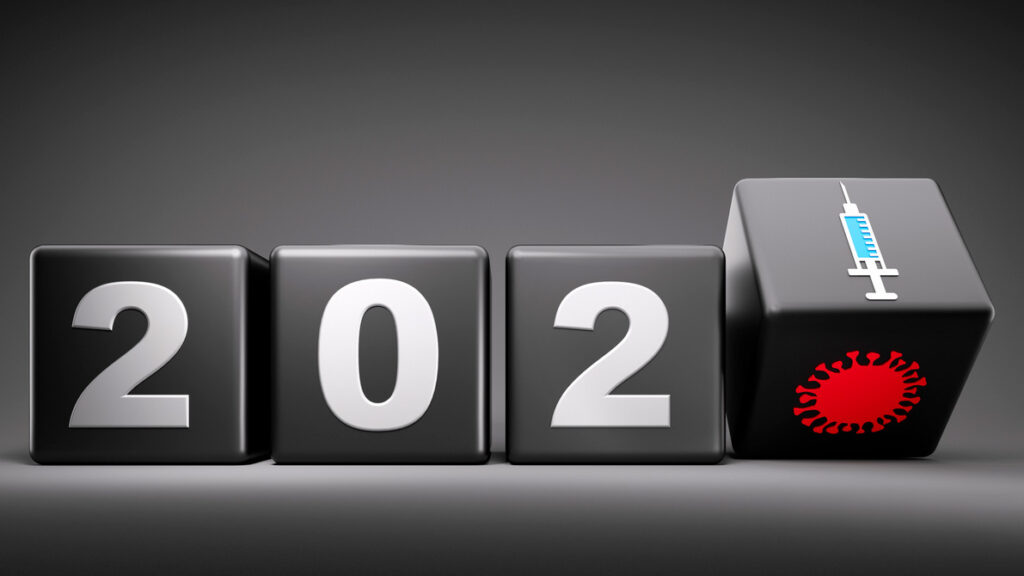
The month of March has seen the Western world mark the anniversary of the extreme intrusion of an unexpected pandemic into our lives. We’ve mourned the loss of more than two-and-a-half million of our family, friends, colleagues, and acquaintances around a shocked and saddened world. We’ve viewed with dismay the fissures that have been opened throughout society. And we’ve marveled at the heroism of healthcare workers and the brilliance of life scientists in rising to the challenge of creating new treatments and vaccines.
For OpenExchange, the impact of COVID-19 arrived early. A late January call from the Asia-Pacific wing of a major global bank conveyed an urgent plea for help: an impending US-China travel ban was threatening a strategically important China Investor Conference, scheduled for February 13th. Was there a way, the caller asked, to use OpenExchange’s secure virtual meeting technology and services to convert the highly complex series of meetings and interactions into a fully virtual experience?
Over the two weeks that ensued, the first virtual investor conference was born. And in the year since, OpenExchange has hosted and managed more than 400 such events, becoming the world leader in virtual investor conferences in the process. In these events, as well as in hundreds of virtual roadshows, capital markets events, investor days, annual meetings, analyst panels, and VIP briefings, we’ve provided hands-on management for more than 120,000 video meetings. We’ve connected thousands of public and pre-public companies, professional investors, analysts, and bankers together seamlessly in virtual meetings, across boundaries of incompatible technologies, through corporate firewalls, and over national borders. In short, we’ve been instrumental in virtualizing meetings that matter.
There are signs that the pandemic is beginning to loosen its iron grip on the world. Corporate executives, professional investors, analysts and bankers are starting to speculate about the dimensions of a “new normal,” both inside and outside their organizations. OpenExchange is doing that, too, as we converse actively with our partners and clients across the financial services world.
A foundation for that planning, though, is a look back at what we’ve learned from 13-and-a-half months of virtual conferences (not to mention 11 years of virtual meetings). Here are some of the things we’ve learned:
- Critical investor information has kept flowing, virtually. The onset of the pandemic introduced major uncertainties into public company operations and outlooks, as evidenced by a 32% drop in the S&P 500 index from mid-February to mid-March, 2020. But an intense period of virtual investor communications and transparency over the succeeding four months restored market confidence to the point where losses had been fully recovered by early August, and markets now hover at near record highs. The dramatic increase in virtual investor meetings means that investor information has never been richer and more transparent.
- Virtual investor conferences can provide rich, valuable experiences. While the early instances of virtual investor conferences offered barebones agendas of one-on-one and small group meetings, they have evolved into rich, multi-faceted events. Engaging keynotes, interactive panel discussions, in-depth fireside chats, networking events, and the application of live and on-demand video streaming technology to company presentations has elevated the virtual investor conference into a more immersive experience — one that keeps evolving.
- Video is increasingly important for investor communications. As human beings, we are wired for visual communications. Conscious or not, we interpret facial expressions, body language, gestures, and other visual cues to augment our understanding of the words that are being spoken. Professional investors are now insisting on video connections when they meet with company executives, and complaining when they aren’t able to be “face to face,” even virtually.
- The economics of virtual conferences are compelling. It wasn’t surprising that putting on a virtual conference would cost 40-50% less than an equivalent physical conference. What came as more of a surprise was that attendance at these conferences rose by 40% or more, meaning that the cost per attendee has declined as much as 70%. The cost has declined for attendees and presenting companies, too — especially when they don’t need to get on an airplane to participate. And the impact of eliminating all that travel is even helping sponsoring banks meet aggressive environmental responsibility goals years earlier than expected.
- Video meeting fatigue is real, and so is the hunger for human contact. Psychologists who have been studying the effects of video meetings have observed that small video meetings are more demanding of the participants than in-person meetings, while the viewer of live video streams are easily distracted — especially if there are temptations to multitask while watching. A long day of solo video viewing can be tiring, in a way that attending a physical conference is not — especially since in the latter case, coffee breaks offer an opportunity for networking and conversation. Some virtual conference organizers are beginning to create more breaks and opportunities for more active networking and conversation to break the long, intense sequences of meetings and presentations.
As we work with clients to plan for the second half of 2021 and beyond into 2022, we build on what we’ve learned from this remarkable year. Late in 2021, we expect some flagship investor conferences to begin experimenting with hybrid formats, with both in-person and virtual audiences, speakers, and panelists. This will demand a whole new set of skills in bringing video feeds in and out of the physical conference setting, new software tools to help attendees wayfind their way around a hybrid environment, and new levels of creativity to ensure a high-quality experience for both in-person and remote participants.
It’s also clear, though, that many investor conferences will remain virtual indefinitely — the economics and logistics are just too compelling. Here, too, the quality of these virtual conference experiences will continue to evolve to the point that professional investors will prefer these virtual venues in most — but probably not all — cases.
As demanding as the transition to all-virtual was in the last year, the evolution to a mixed hybrid-and-virtual conference environment over the next year will ask even more of event planners and their partners like OpenExchange. In the past year, we’ve added more than 1400 members to the OpenExchange team, with skills that range from broadcast video production to high-stakes meeting management to advanced event planning. We’ve collaborated at high levels with nearly every major global financial services institution.
The events of 2020 surprised and shocked us all, yet the world of investor communications thrived, boosted by a new set of virtual meeting skills and capabilities. While 2021 may still be capable of surprising us, the road ahead seems much clearer than it was a year ago. And we enter this year of recovery and transition with optimism that the skills we’ve acquired have laid a great foundation for what’s to come.