Music for Virtual Conferences and Events: It’s Not That Simple
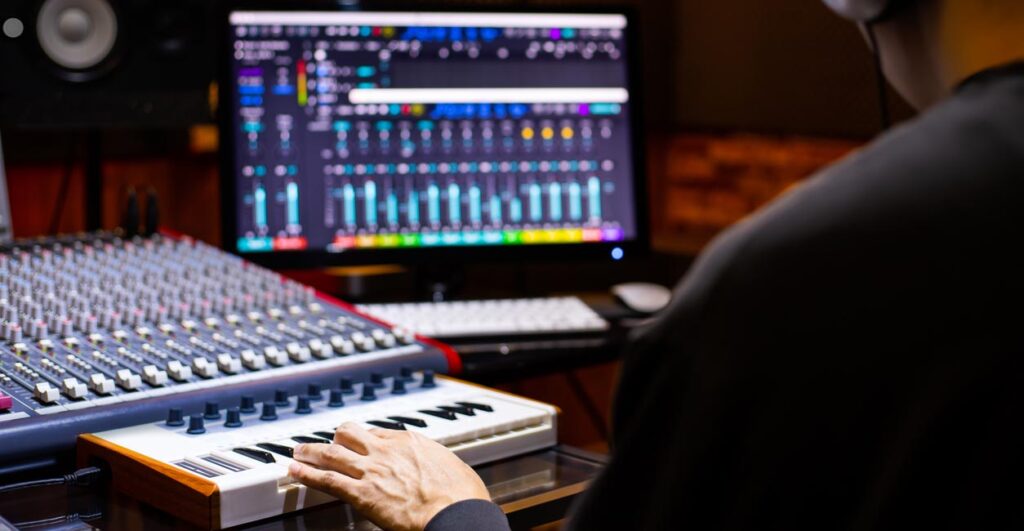
As the world of virtual conferences and events has evolved over the course of 2020 and early 2021, there has been an increasing interest in using music as part of these virtual events. Pre-show “hold slide” music, walk-on music, break music, transition music — it all plays a part in setting the tone for a conference, as well as serving the practical purpose of reassuring viewers that their connection is active and their volume is properly adjusted.
What isn’t as clear to many conference organizers, though, is that there are strict rules and restrictions around what music can be played and how it can be used during a virtual event. It’s important to know what these rules are, as violating them can prove costly and embarrassing.
Here are a few questions we get all the time, along with the answers we give on a weekly basis:
- I have a playlist of music I’ve properly bought and downloaded from iTunes. Since I’ve already paid for it, can’t I use that music for my pre-show warmup track? Unfortunately, no — not unless you’ve purchased a license for the tracks in your playlist. Apple’s Media Services license agreement states that “You may use the Services and Content only for personal, noncommercial purposes.” And there is ample precedent for both conferences and streamed events being considered out of the bounds of “personal, noncommercial purposes.”
- My CEO likes to use a few seconds special “walk on music” track. Isn’t that okay since it’s just a few seconds? Any use of a commercial music track requires a license, no matter how short.
- Are there sources for licensing popular songs and performers without going to the individual performer or her agent? Yes, there are companies that have licensed the rights to entire catalogs of music and performers. These are called Performance Rights Organizations, or PRO — traditional players such as BMI or ASCAP in the US and PRS or PPL in the United Kingdom, or emerging players such as Hipgnosis. The way PRO’s work is that they buy up rights to songs and performances, and charge a license fee — either for individual tracks, or blanket licenses that can be used by a business for a certain volume (e.g. plays, cumulative audience size) in a certain medium (e.g. in-room, online, in an ad) over a certain period of time.
- Are there sources of music that have less complicated requirements? Yes. There are royalty-free libraries of tracks by less-well-known composers and performers that are available at very reasonable prices. It’s important to note, though, that “royalty-free” doesn’t mean “free”. In fact, so-called “royalty-free” tracks are copyrighted and typically are available for purchase or subscription; they merely have a different business model, allowing them to be used in projects over an indefinite period of time and with less onerous reporting requirements.
- I’ve obtained some “royalty-free” music tracks that we used for another project. Is that okay? Royalty-free music licenses often are restricted to a specific project — like a specific video soundtrack or website — and cannot be used widely for multiple purposes. It’s worth checking on the license of the royalty-free track (which should always be saved with the documentation for the original project) before re-using royalty-free music).
The bottom line is that using music in your virtual event can be complicated, and it’s worth getting some assistance in working through the various rules and logistics of getting the best available soundtrack for the occasion.
In a subsequent post here on the Virtual Insights blog, we’ll hear from two members of the OpenExchange music team — themselves accomplished musicians. Michael Waldron and Dingle Yandell will share their thoughts on the options for selecting music for virtual events, up to and including commissioning custom music tracks for truly special events.